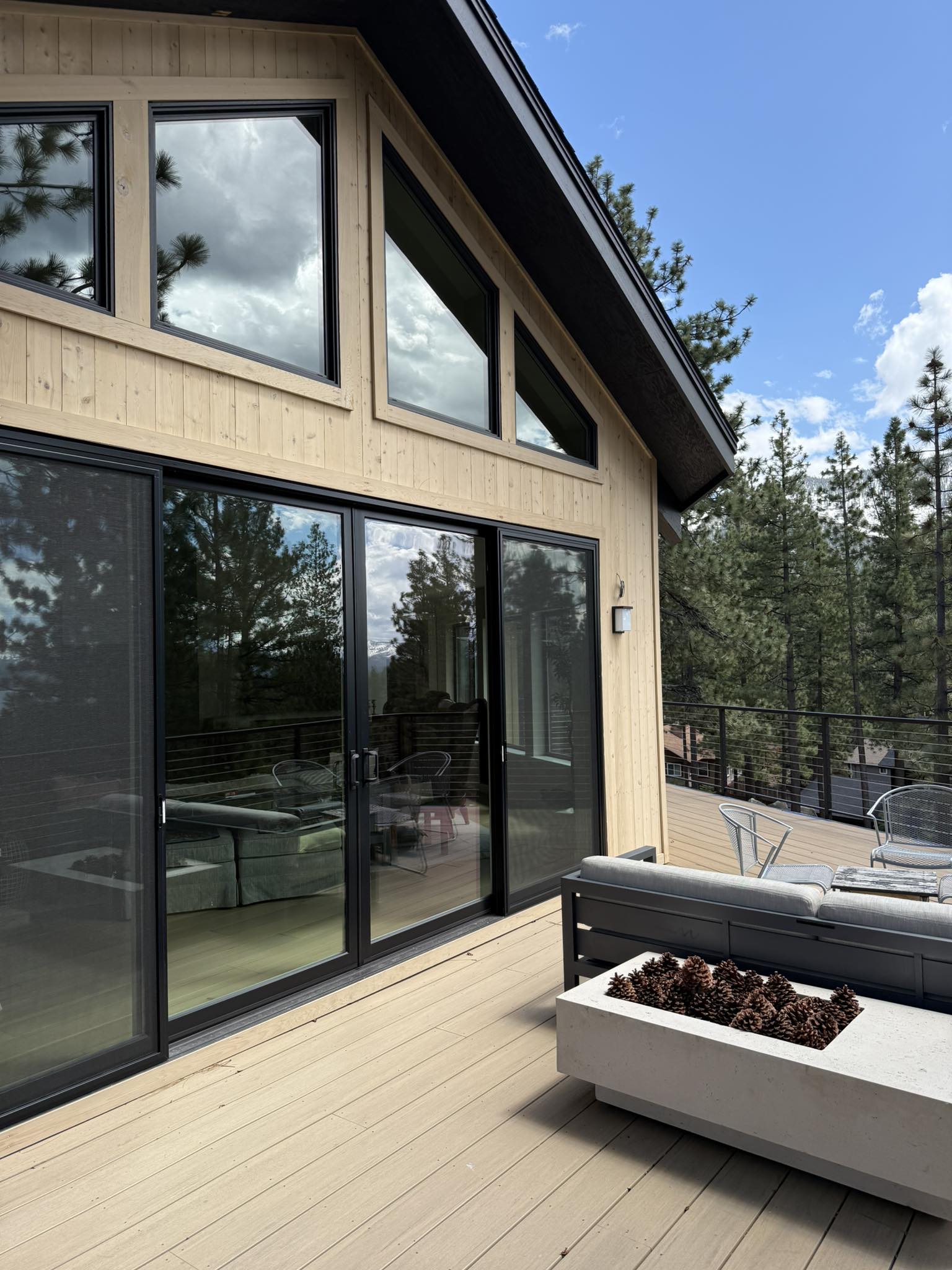
The Science Behind Paint: How Environmental Factors Affect Durability Jun 13, 2026
Imagine having freshly painted interiors or facades that maintain their pristine look through varying seasons. Sounds ideal, right? However, achieving this requires more than just choosing the right color. It's about understanding the fundamental effects of environmental factors on paint durability.
Firstly, let's delve into temperature. Extreme temperatures can wreak havoc on paint. High heat causes paint to dry too quickly, potentially leading to cracks and an uneven finish. Conversely, painting in temperatures that are too low prevents paint from adhering well, eventually leading to peeling. This is why Always Painting recommends applying paint when temperatures are between 50°F and 85°F, allowing for optimal performance and finish quality.
Humidity is another crucial factor. Paint applied in high humidity conditions tends to dry slowly and may not bind correctly, often resulting in longer drying times and a patchy appearance. Low humidity, on the other hand, can lead to premature drying, making the paint more susceptible to blistering. Always Painting advises maintaining a balanced environment, ideally with humidity levels between 40% and 70%, during painting sessions.
Direct sunlight exposure should also be considered, especially for exterior surfaces. The ultraviolet (UV) rays in sunlight can degrade paint components over time, leading to fading and losing the vibrancy of colors. Paints with UV-resistant properties are recommended for outdoor projects. Always Painting uses products designed to withstand intense sunlight, ensuring your exteriors remain vibrant longer.
Wind is an environmental element often overlooked, yet it can have a significant impact. Strong winds may stir up dust and debris that adhere to wet paint, compromising the finish. Additionally, rapid air movement can cause uneven drying, resulting in an inconsistent surface appearance. During particularly windy conditions, Always Painting employs strategic planning to ensure quality results by utilizing wind barriers or scheduling around less windy days.
Finally, precipitation is a critical factor, especially for exterior projects. Rain or snow shortly after painting can wash away the paint or prevent it from adhering properly, leading to a compromised appearance. Always Painting closely monitors weather forecasts, ensuring that outdoor projects are timed to avoid unexpected rain or snowfall, thereby preserving the quality and integrity of the paintwork.
At Always Painting, we emphasize selecting high-quality paints that are formulated to withstand specific environmental conditions. Our expert team is adept at advising you on the best paint types for your specific needs, taking into account all relevant environmental factors.
In conclusion, understanding the effects of environmental factors on paint can significantly enhance the longevity and appearance of your painting projects. Always Painting stands committed to ensuring that our clients not only receive expert advice but also enjoy the lasting beauty and durability of their painted surfaces, regardless of environmental challenges. For further inquiries on optimizing your next painting project against environmental factors, do not hesitate to reach out to our expert team, committed to delivering excellence each step of the way.